When a Reaction Feels Bigger Than the Moment
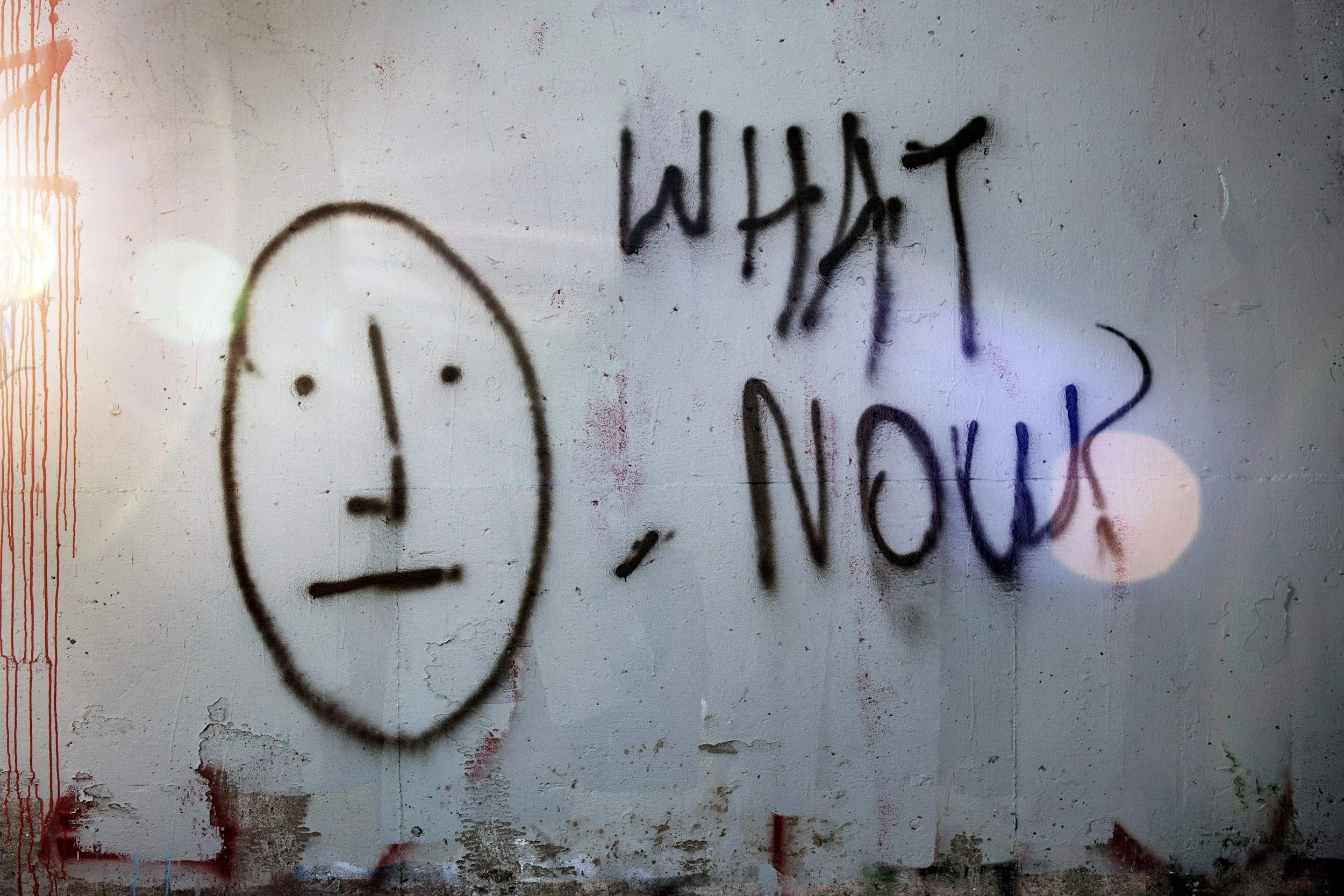
Ever had a reaction to someone that felt larger than the moment?
This is often how unresolved emotional patterns from earlier experiences show up in present-day relationships. A delayed reply hurts more than it should. A small shift in tone lands heavily. A moment of distance feels like something is ending… even when you know it isn't.
You know the person in front of you is not your past. And yet your body doesn't respond as if this is new.
This is usually explained as emotional baggage. But something more precise is happening and understanding it can change how you relate to yourself, and to the people you love.
You Are Not Reacting to This Moment Alone
At certain times earlier in life, staying fully open wasn't possible. Not because something was wrong with you. Because staying open would have been too much to hold.
So your system did something intelligent. It paused. The event moved forward externally but internally, something remained incomplete. Not stored as a clear memory. Held as unfinished experience, waiting for conditions safe enough to finally move.
That's what's happening when a reaction feels bigger than the moment.
The moment isn't only this moment.
Why Close Relationships Activate So Much
Closeness does something that most of life doesn't.
It creates emotional conditions similar to earlier experiences that your nervous system takes notice not consciously, but in the body. Not the same people. Not the same events. But enough familiarity to register:
Something here feels like before.
This is why the person you feel safest with can also be the person who triggers your strongest reactions. It isn't a sign that something is wrong with the relationship. It's a sign that something older has finally found conditions safe enough to surface.
The reaction you feel isn't only about what your partner just did. It's the past meeting the present with more capacity than you had then.
You Are Not Overreacting
From the mind's perspective, the intensity seems out of proportion. From the body's perspective, it's right on time.
Something that couldn't fully happen before is trying to happen now. That's why being genuinely understood often shifts the feeling faster than analyzing it does. Understanding creates safety and safety allows the experience to continue moving, rather than staying frozen in place.
This is also why trying to logic your way out of a reaction rarely works. The reaction isn't a thinking problem. It's an incomplete experience looking for somewhere to land.
What Changes When You Stop Interrupting It
When neither person rushes to fix, defend, or pull away, something shifts.
Not because better words were found. Not because someone apologized in exactly the right way. But because the moment was allowed to unfold without being cut short.
When that happens, experience completes. The charge begins to settle. The intensity softens. What felt like a crisis a few minutes ago starts to feel workable sometimes even small.
People often describe this afterward: That felt so much bigger than it actually was.
They're right. It was bigger. Because it was carrying something older. But once that older thing finally had room to move, it did.
What Actually Heals Between People
Healing in relationship doesn't require perfect behavior.
It happens when two people can stay present long enough for a moment to fully unfold without one of them rushing it away.The reaction settles not because it was solved, but because it was finally allowed to complete.
And when it does, something unexpected often appears.
A closeness that doesn't feel manufactured. A sense of ease that wasn't there before. Not something you created something that was already there, revealed once the past no longer needed to move through the present.
If you're exploring this more deeply, you might find these pieces speak to a similar place:
What Relationships Bring Into View